Would you buy a condo for $200k?
Tunneys Pasture: A once-in-a-generation affordable housing opportunity
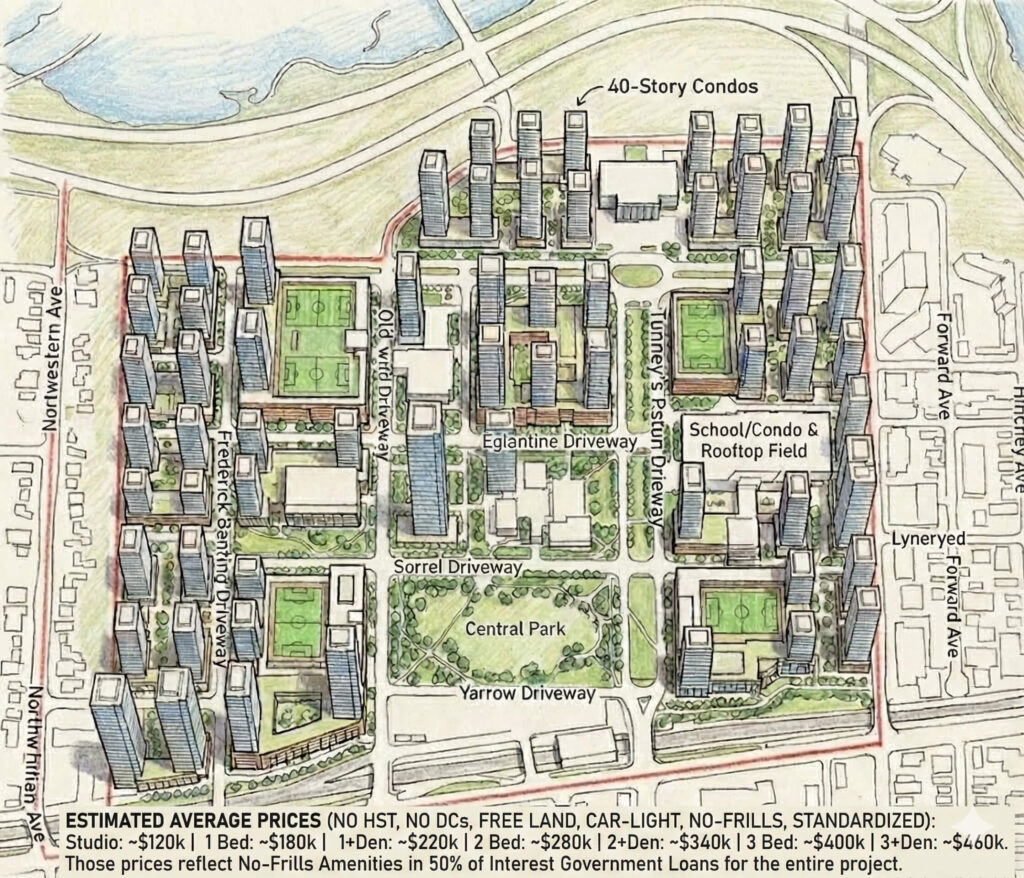
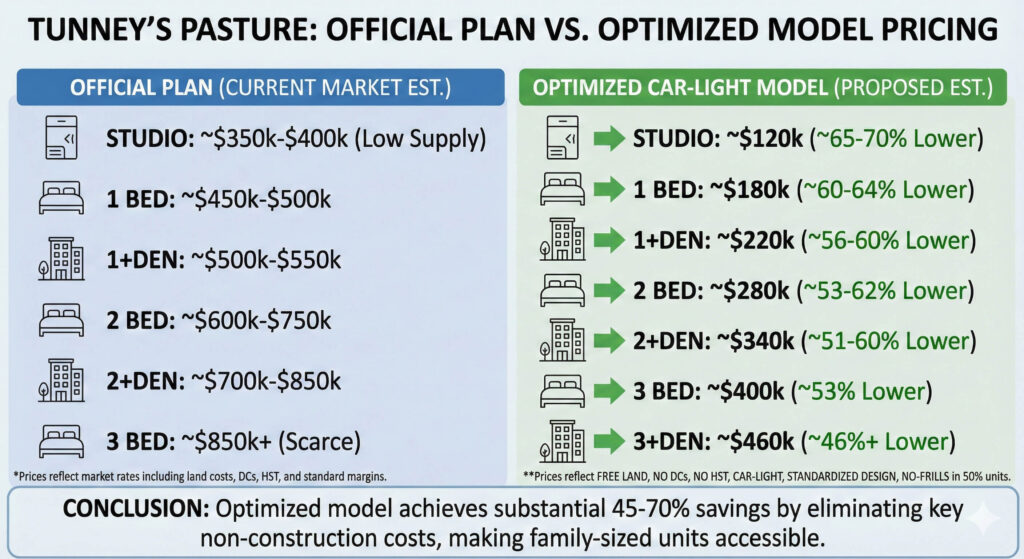
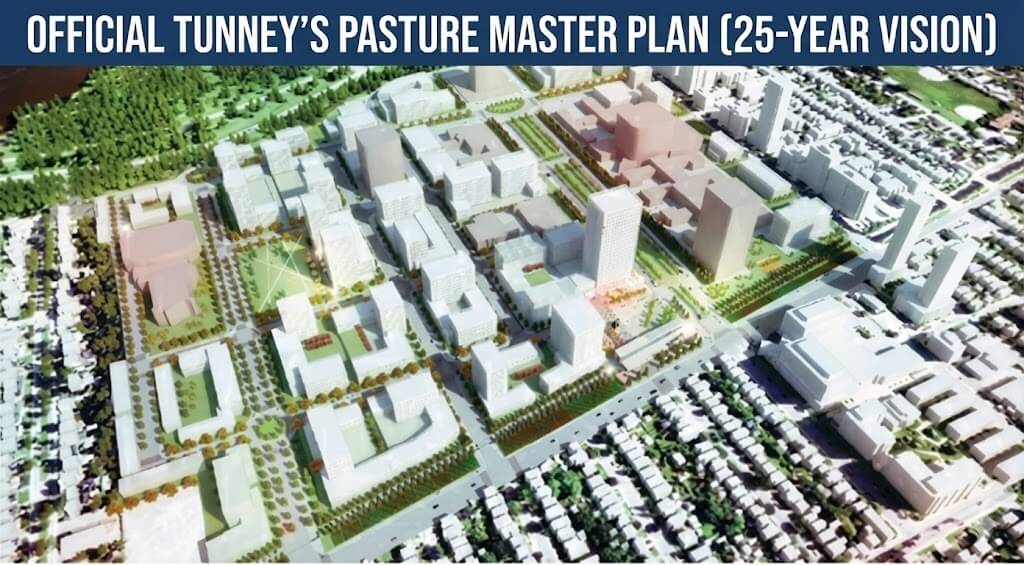
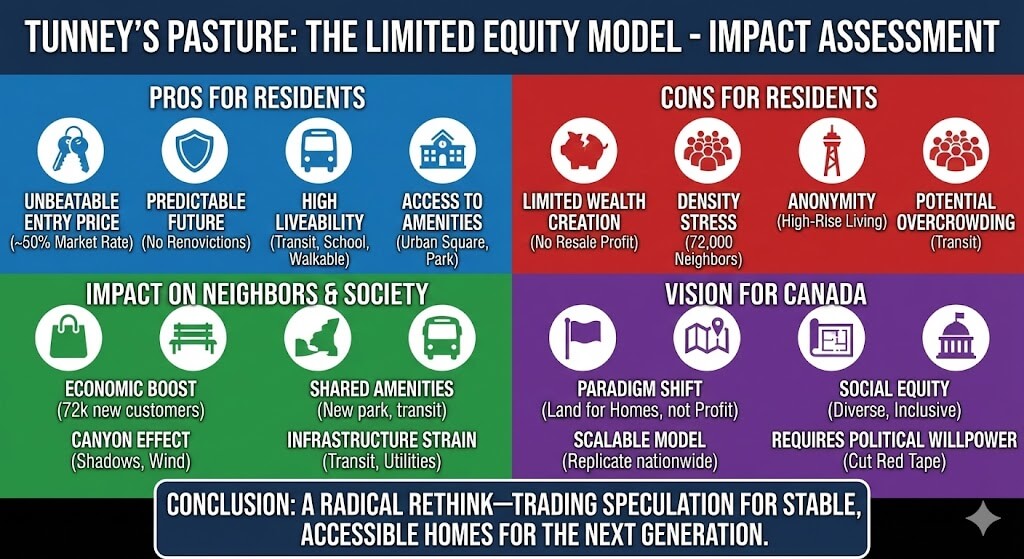
Q: How are these prices even possible?
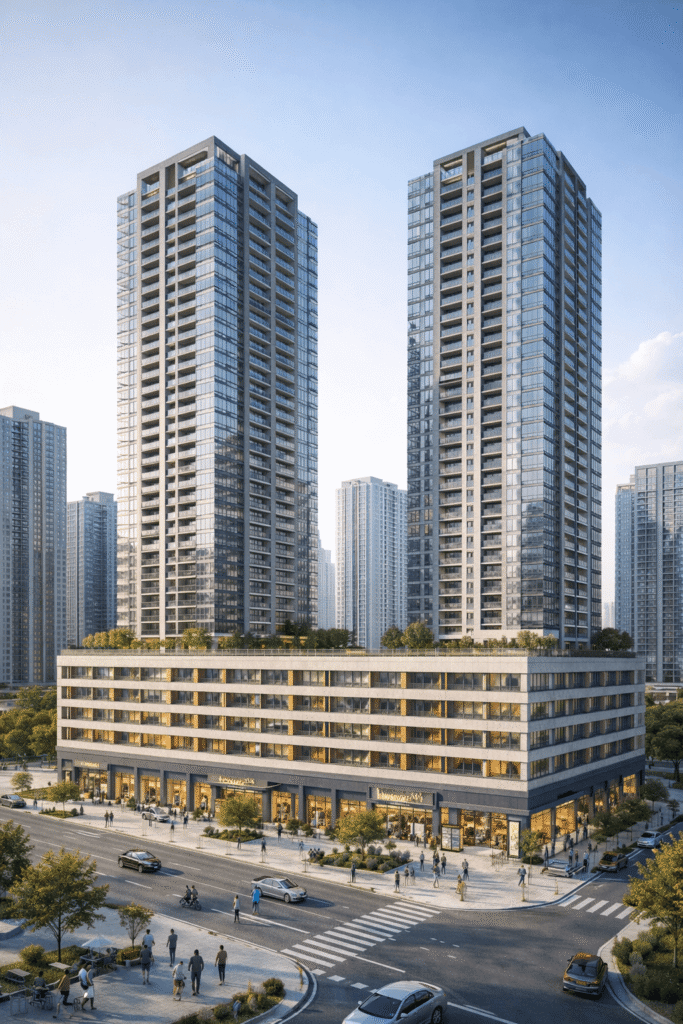
A: The current official plan for Tunney’s only targets ~7k-9k units over 25 years. This model builds 42,000 units in 10 years. By removing land costs (federal land), taxes (HST/DCs), and parking garage costs ($60k–$100k per spot), you slash the price by ~50%.
Q: Why would a developer build affordable vs. luxury?
A: Developers care about speed and risk, not just the final price. This is a gold mine for them because:
- Zero Land Risk: No sinking $100M into land or waiting 7 years for permits.
- Guaranteed Margin: A 15% profit is “baked in” without interest-rate gambles.
- Massive Volume: 42,000 units is the contract of a lifetime-scale beats niche luxury.
- Speed = Profit: Standard designs + zero red tape means they get their capital back in 10 years, not 25, spiking their annual return (IRR).
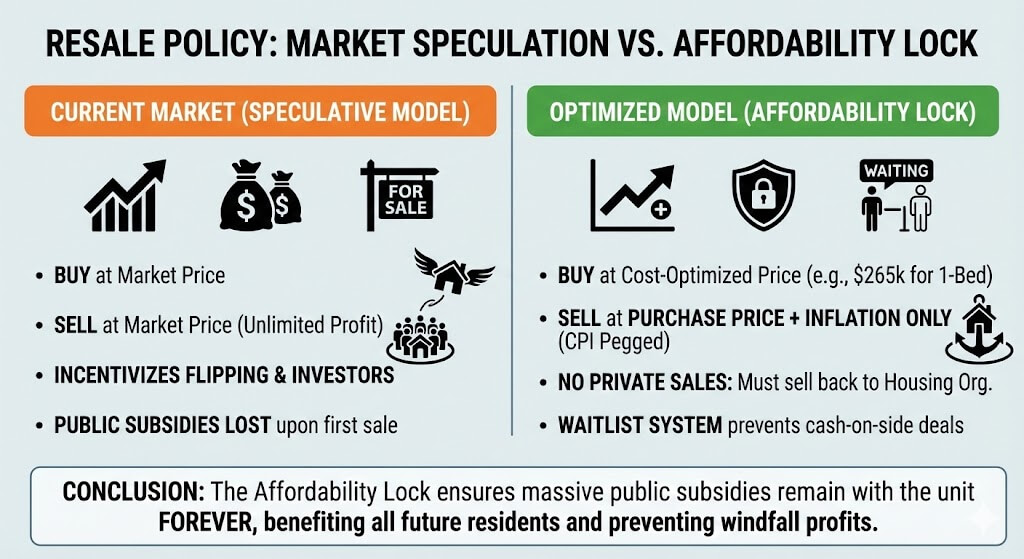
Q: Won’t investors just buy them all?
A: No. The “Affordability Lock” means you can only sell the unit back to the Housing Trust at what you paid + inflation. There is zero incentive for a speculator to buy here.
Q: 72,000 people at one LRT station? That’s a disaster.
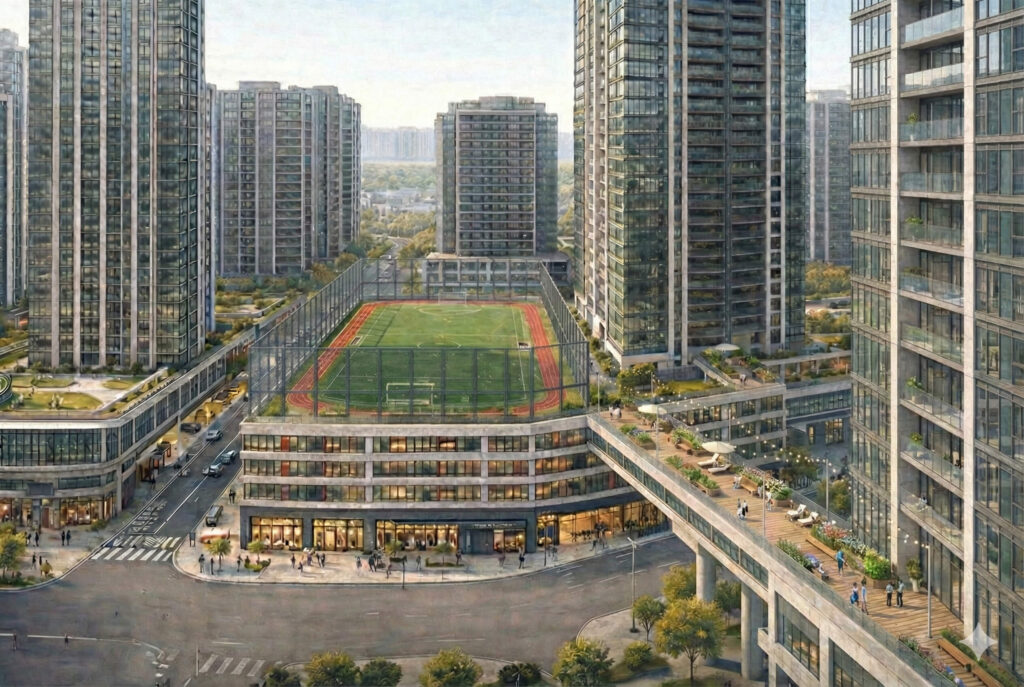
A: That’s why the plan includes 25-foot wide sidewalks and “car-light” design. The station would need a significant expansion, but that is paid for by the massive scale of the development.
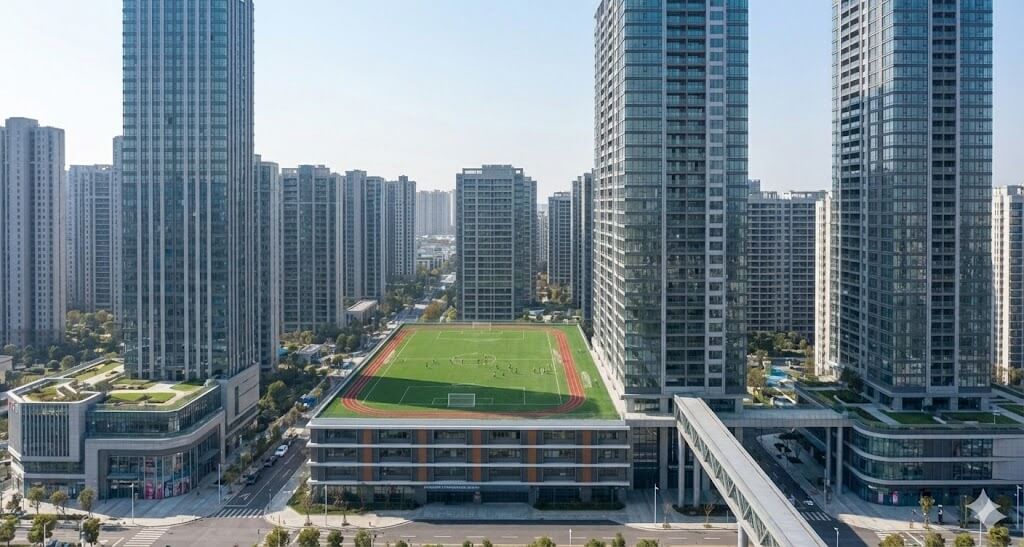
Q: What about the “Canyon” effect?
A: It’s a trade-off. We chose extreme density and ultra-low prices over “neighborhood character.” You get a $400k 3-bedroom home, but you live in a dense, urban core.
Q: Zero parking? Car-Share Hubs, Essential Parking (disabled/delivery parking ect) Market Stalls: A small number of underground and above ground spots would be built and sold separately at full market cost (e.g., $80k+) for those who absolutely need one, ensuring they pay for it themselves rather than burying the cost in everyone else’s housing price.
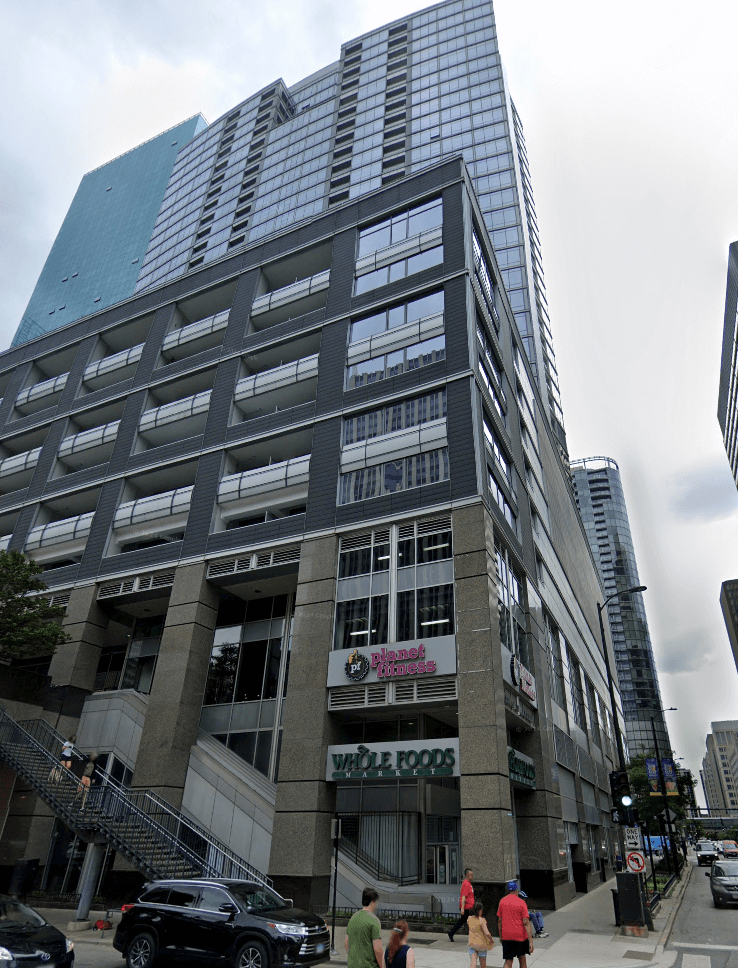
Q: No Balconies?
Balconies add significant cost and structural complexity to high-rise construction, impacting both build efficiency and overall affordability. For this reason, the Tunnys project is designed primarily with Juliet balconies or no balconies, allowing us to prioritize interior space, building performance, and cost control. Select units — particularly those higher up in the tower — may feature full balconies, where the premium views and positioning justify the added expense. This approach helps balance livability, design, and long-term project viability.